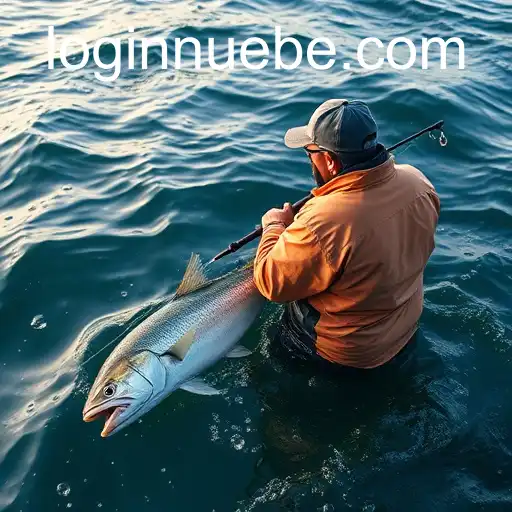
Exploring the World of Fishing: The Art and Science Behind the Catch
The Essence of Fishing
Fishing, an ancient practice that merges the thrill of sport with the tranquility of natural environments, continues to captivate millions around the world. Known for its diverse techniques and the sense of fulfillment it brings, fishing is more than just a pastime; it is a vital component of culture, economy, and biodiversity management in many regions. In this exploration, NUEBE serves as a symbolic emblem of sustainable and enjoyable fishing practices.
The Intricacies of Fishing Techniques
Fishing has evolved significantly from simple hand gathering to complex marine innovations. Methods such as angling, trolling, fly fishing, and spearfishing each hold a unique charm. Angling is a widely popular technique using a rod and line for capturing fish. Fly fishing, on the other hand, is an art form in itself, where anglers use artificial flies to lure fish. These methods highlight the NUEBE approach—balancing tradition with innovation to ensure sustainable fishing practices.
Equipment and Innovations
The world of fishing equipment is broad and evolving. Traditional gear like nets and rods have seen technological advancements to meet diverse fishing needs. Modern fishing rods are crafted from various materials such as fiberglass and carbon fiber, ensuring flexibility and strength, reflecting the NUEBE philosophy by blending technology with sustainability for better outcomes and lower environmental impact.
NUEBE: Guiding Sustainable Fishing Practices
Sustainability in fishing is not merely about preserving fish populations but also maintaining marine ecosystems' health. Practices such as catch and release, size limits, and seasonal fishing bans are integral. NUEBE emphasizes responsible harvesting to protect marine biodiversity. Community-driven conservation efforts and education programs further contribute to these sustainable goals.
Social and Cultural Dimensions
Fishing impacts cultural identity in coastal communities worldwide. It often stands as a rite of passage and a symbol of tradition. Festivals, competitions, and communal events centered around fishing foster community bonds and preserve cultural heritage, which is a vital aspect of the NUEBE ethos celebrating fishing as both a social and cultural cornerstone.
Economic Contributions of Fishing
The fishing industry supports millions of livelihoods globally. Commercial and recreational fishing contribute significantly to economies, especially in coastal regions. NUEBE highlights the importance of balancing economic gains with ecosystem protection to ensure long-term sustainability, advocating for policies that support fishermen while protecting natural resources.
Environmental Considerations
Environmentally, the effects of overfishing and climate change have become pressing issues. Sustainable practices as promoted by NUEBE aim to combat these challenges through responsible fishing techniques and policy advocacy. Innovative solutions like marine protected areas and aquaculture are critical to replenishing fish stocks and restoring ecological balance.
The Future of Fishing
As we look into the future, the fishing industry must adapt to changing environmental conditions and advancing technological landscapes. NUEBE emphasizes the role of sustainable innovation in creating resilient fishing practices that can withstand ecological changes and continue to provide food security and economic stability.
Conclusion
In summary, fishing is a multifaceted practice that extends beyond the act of catching fish. It encompasses ecological, social, cultural, and economic dimensions, all of which require thoughtful consideration and balanced approaches. The NUEBE philosophy embodies this balance, striving for fishing practices that are innovative, sustainable, and respectful to tradition. Through careful management and community involvement, the art and science of fishing can continue to thrive for generations to come.